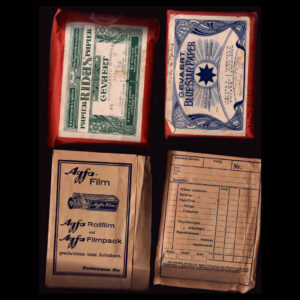
Sleeves for glass negatives
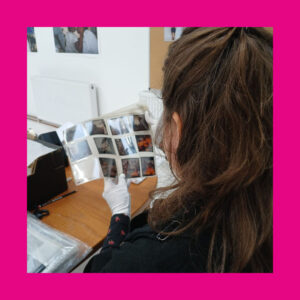
Volunteer working in the archive
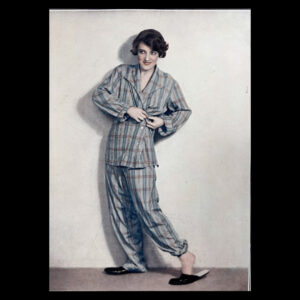
Dorothy Dickson by Dorothy Wilding
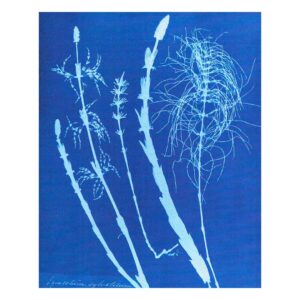
Cyanotype by Anna Atkins
This March, we’re celebrating Women’s History month with a daily spotlight on a pioneering woman photographer from the past. In our library, we have a wide range of books by or about these pioneers showcasing photography, theory and history – there’s something for all ages and all levels of interest. Feel free to pop in and have a browse.
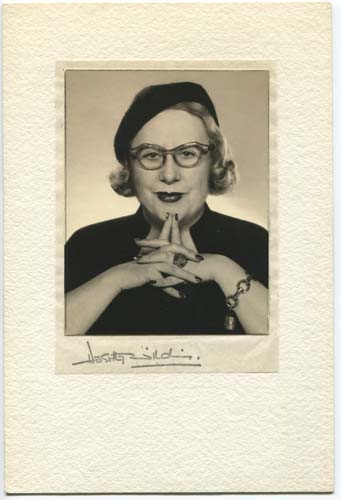
Day 31: Dorothy Wilding (1893 - 1976)
Dorothy Wilding was born in Gloucester in 1893. Living in her uncle’s household, she was discouraged from becoming an actress and instead began to study photography. By the age of 21, she had opened her first studio and in 1937 opened a second in New York. She was already in great demand for society photos when, in 1952, she was asked to take the first of her now-iconic portraits of Elizabeth II.
Dorothy’s sitters include a veritable roll-call of the era’s biggest celebrities including Tallulah Bankhead, Noël Coward, Yehudi Menuhin, Vivien Leigh, Douglas Fairbanks Jr and Cecil Beaton. By 1959, this style of portraiture was no longer fashionable, but the 1980s saw a revival of interest in her work, an interest that will be re-fuelled by the jubilee exhibition.
Find out More
- Dorothy Wilding
- In the Collection: Numerous original images, tear-sheets and stamps
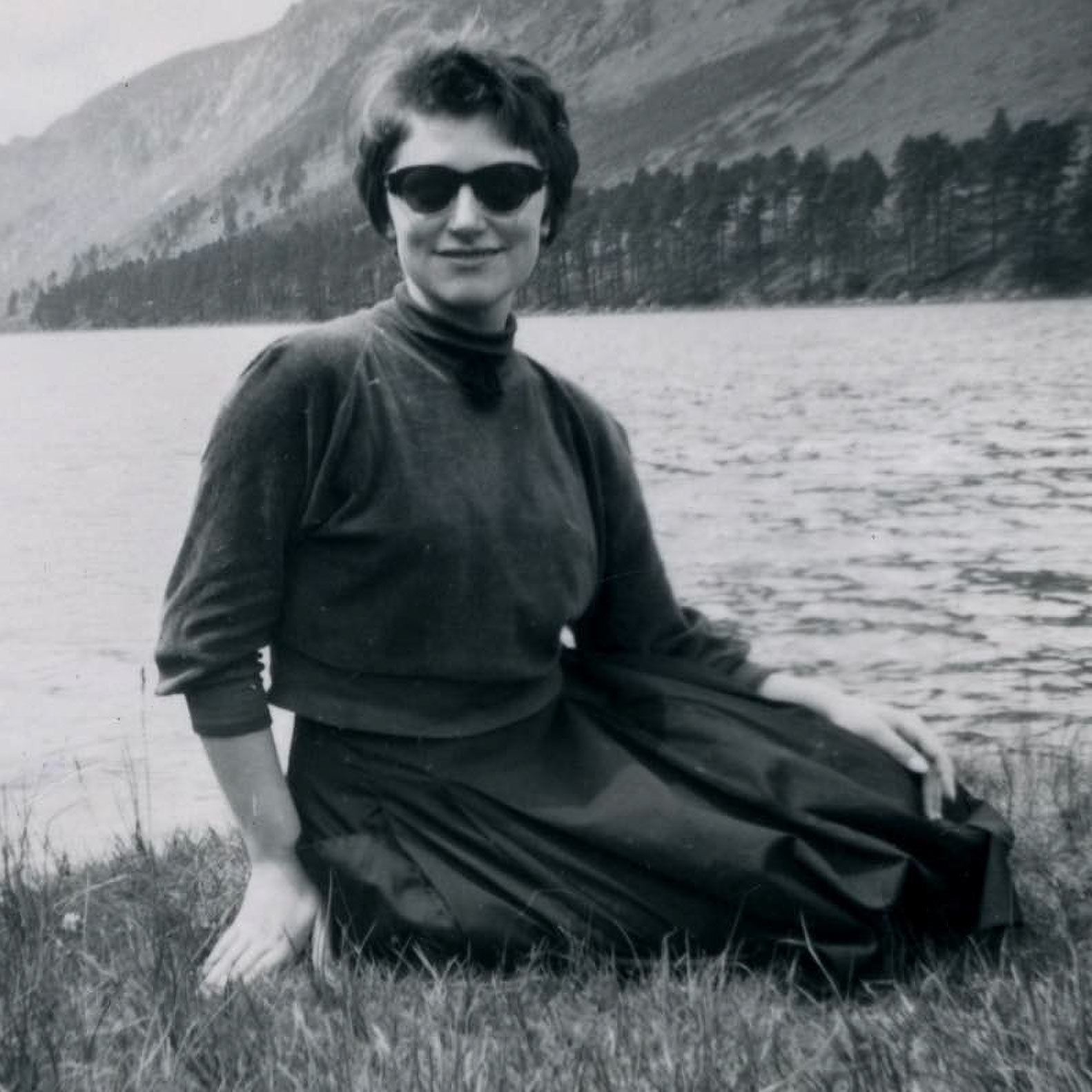
Day 30: Elisabeth Buchmeyer Lewis (1935-2018)
Travelling from Westphalia to London in 1950, Elisabeth undertook study in graphic design and film. The art and design colleges of the day were experiencing a cultural and social awakening, and Elisabeth embraced the opportunity to embark upon a new career in pursuit of freedom and independence. After completing several short courses, Elisabeth enrolled on a Diploma Course in Photography at the London College of Printing (LCP, now LCC University of the Arts London). She quickly established herself as a modernist photographer and became part of the creative new wave.
Freelancing as a commercial photographer, she shared a studio in London Blackfriars with design and architectural photographer Felicia Cronin, Paris Match staffer Roy Dickens, and photojournalist Penny Tweedie Elisabeth’s photographs chart the course of an astonishing career, reflecting her eclectic interests. She defied gender norms as a successful sports car photographer, and was noted for photographing families, artists, leisure activities, and the working lives of women.
Find out More
- Elisabeth Buchmeyer Lewis by Katherine Riley
- In the Collection: The archive of Elisabeth
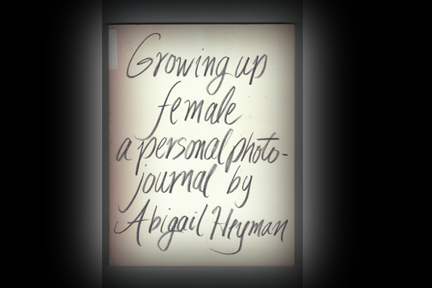
Day 29: Abigail Heyman (1942-2013)
Abigail Heyman (1942-2013) was a pioneering American photographer and feminist, renowned for her powerfully intimate portrayal of women’s lived experience. Born in Danbury, Connecticut, Abigail initially pursued a career in writing before turning to photography in the late 1960s. Her work gained prominence with the publication of her influential book, “Growing Up Female: a personal photojournal,” in 1974. This powerful collection featured candid, often stark images that captured the everyday experiences and struggles of women; Abigail capturing what she called “the problems and the strengths of women”.
Find out More
- Abigail Heyman by Ruby Mitchell
- In the Library: Growing Up Female – A Personal Photo Journey
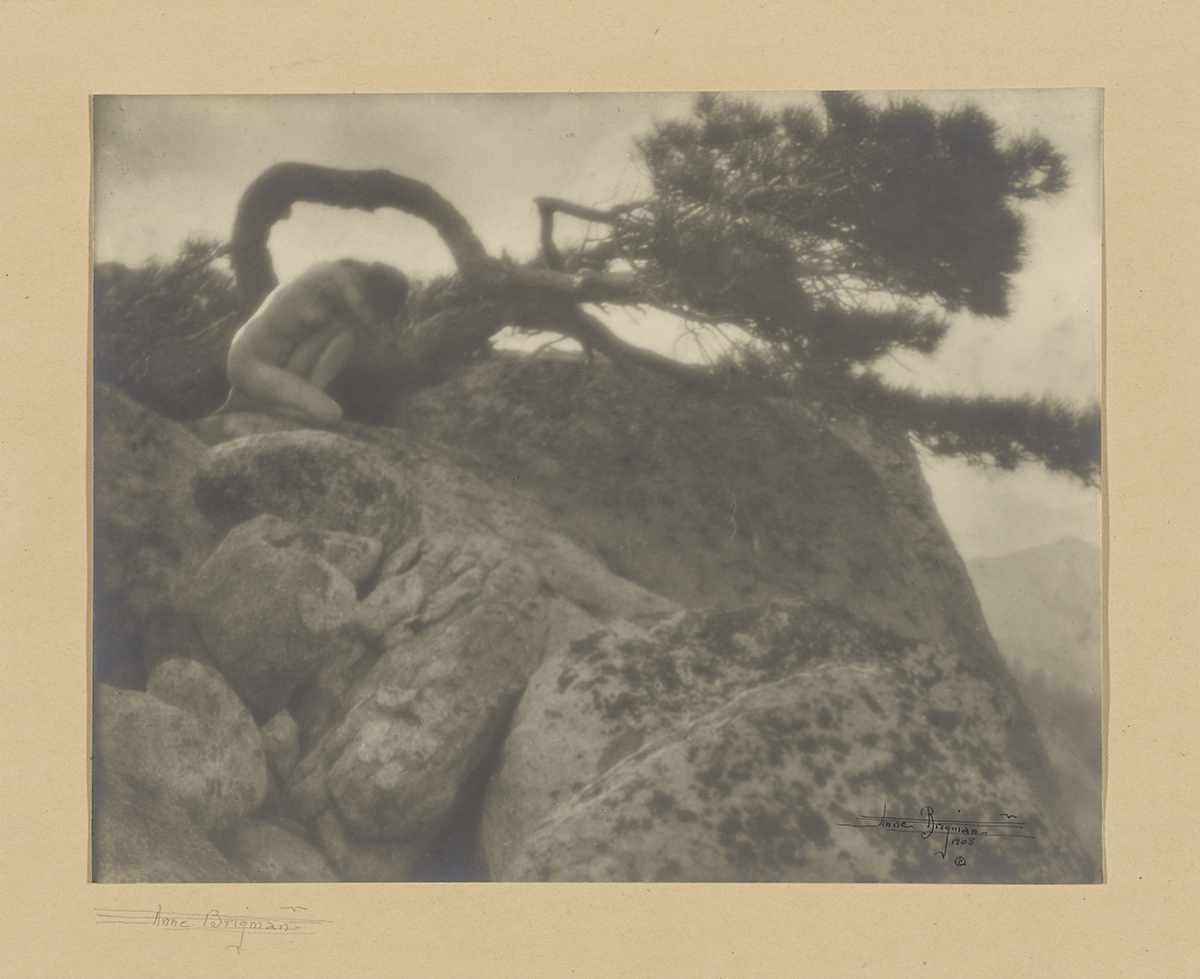
Anne Brigman, 1908 – The Lone Pine
Day 28: Anne Brigman (1869-1950)
Anne Brigman (1869-1950) was an American photographer, artist and feminist icon. She freed herself and the women she photographed from corsets and clichés, revolutionising female nude photography.
My pictures tell of my freedom of soul, of my emancipation from fear’, states the photographer, who found the power to express herself amongst the trees in Sierra Nevada. At the beginning of the 20th century, her actions must have looked outrageous, even shameful. Today, Anne represents the unheard voice of women, often oppressed by society and in constant need to fight for the claim on their own bodies.
Find out More
- Anne Brigman by Maria D’Aniello
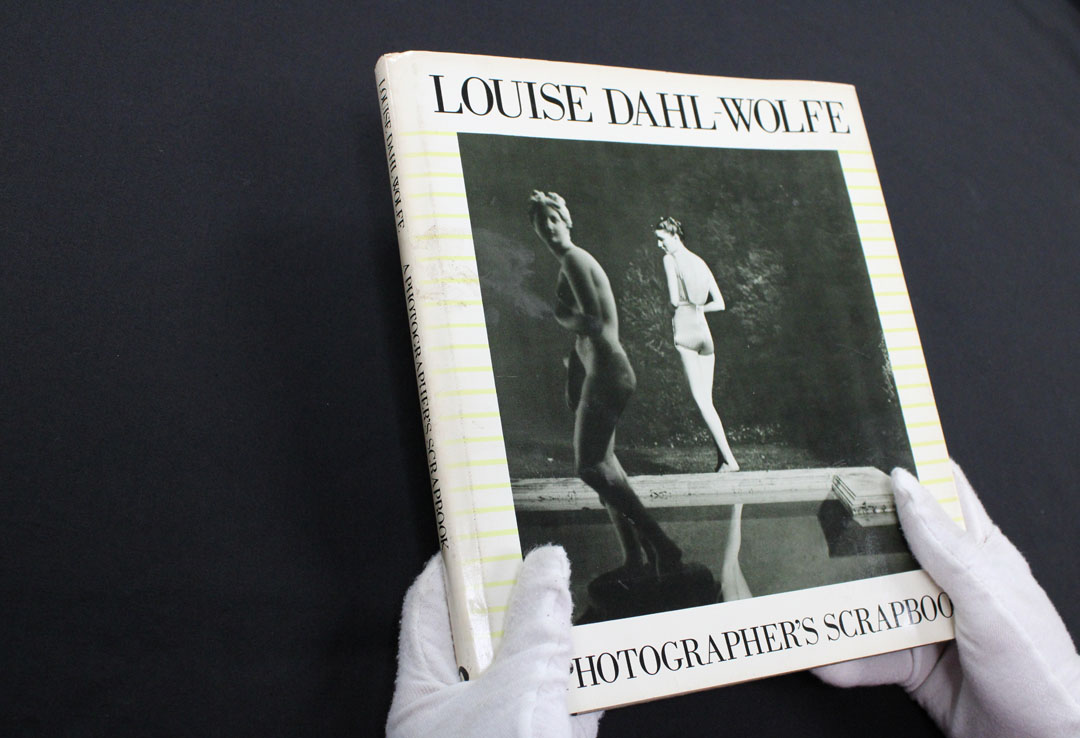
Day 27: Louise Dahl-Wolfe (1895-1989)
As part of Harper’s Bazaar creative team between 1936-1958, American photographer Louise Dahl-Wolfe created images that felt both candid and glamorous. With 86 magazine covers under her belt, Louise’s signature bands of natural light, casting shadows and highlighting features, continues to influence photographers today.
Starting her creative career studying painting and figure drawing at the San Francisco Institute of Art, Louise transitioned into experimenting with photography after being inspired by the American photographer Anne Brigman in 1921. From these inspirations, Louise would go on to create images that mimicked art and expressed emotion in the fluid female form; Night Bathing, 1939.
Find out More
- Louise Dahl-Wolfe by Gabriel Kynoch
- In the Library: Photographer’s Scrapbook
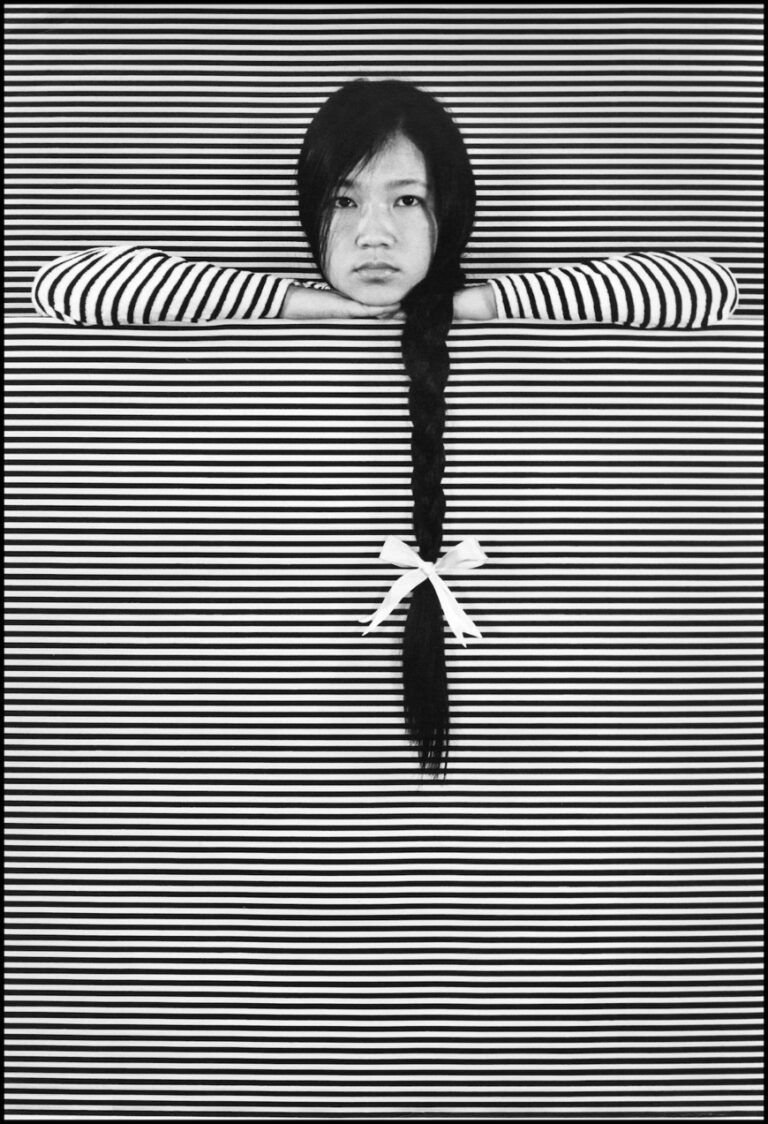
The Pigtail, 1966 by Nancy Sheung © Estate of Nancy Sheung
Day 26: Nancy Sheung (1914-1979)
Born in Suzhou, east China in 1914, Nancy Sheung was an incredible personality who found her artistic calling for photography at the age of 44, in 1958, after a visit to an exhibit of European photography. Her sharp, architectural images show her meticulous attention detail. Her most iconic image is The Pigtail(1966), a monotone image featuring her daughter at 13 years old.
Nancy Sheung was determined to break all the rules and conventions of her time. With rumours that she rode a horse in the streets of Suzhou (China) to get to school, that she carried a gun for protection and had a job at an opium den to finance her studies.
Equipped with her Rolleiflex camera and her newfound passion, Nancy started processing and printing images. The composition of her portraits is meticulous. Stripes, diamond shapes and curves harmonise perfectly with beautiful female figures. The viewer is led to wonder who is the protagonist of her photos – the impeccable geometry or the feminine sensibility?
Find out More
- Nancy Sheung by volunteer Maria D’Aniello
- Nancy Sheung’s online gallery
- In conversation with her grand-daughter, Tiffany Way-Ying Beres
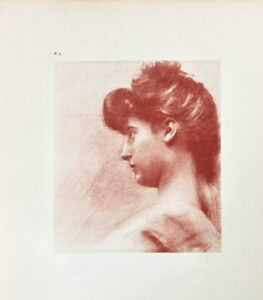
Day 25: Celine Laguarde (1873 - 1961)
Celine Laguarde was born in Biarritz , France on the 2nd of November 1873. She spent most of her early life moving between Paris, Aix and Marseille where she began developing her career in the academic arts which later earnt her the title of Ordre des Palmes académiques in 1907, a prestigious title, given to those who have notably contributed in the French academics.
Celine was a pioneer of the Pictorialist movement, an artistic movement in the early 20th century that challenged the rhetoric that photos should only be used for documentation and that they should reflect reality. She was notably the only woman considered to be a pioneer of the movement.
Find out More
- Celine Laguarde by volunteer Levi Stoney
- In the Collection: Tear sheet as featured above
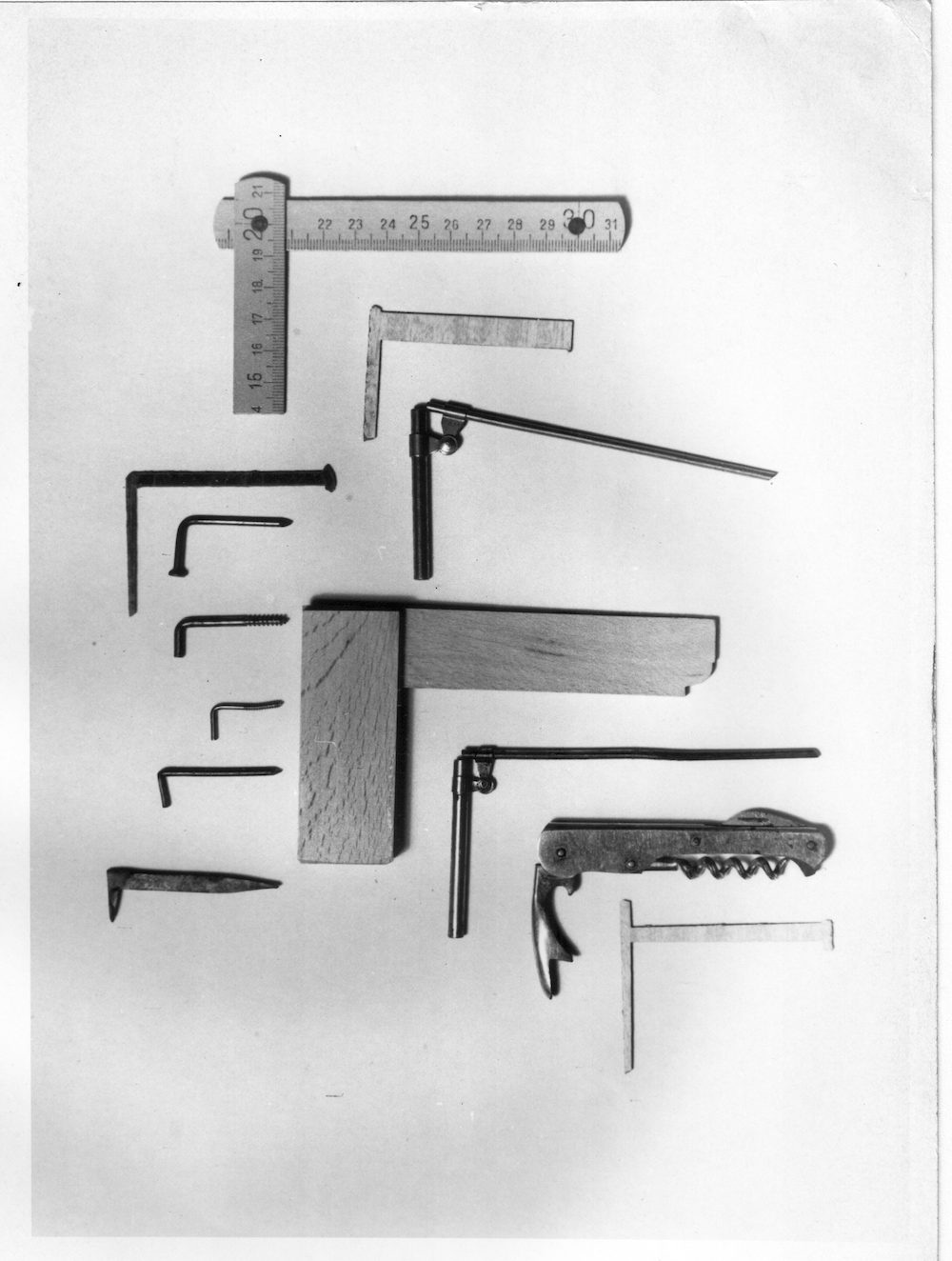
Běla Kolářová, Alphabet of Things, 1964, courtesy The Museum of Decorative Arts in Prague
Day 24: Běla Kolářová (1923 – 2010)
Born #OTD 1923 Běla Kolářová was a unique and pioneering self-taught artist, a proponent of Czech photography of the Cold War avant garde. From 1961 she aligned with the progressive art movement Kriovatka (Crossroads) which rejected Soviet-sanctioned Socialist Realism.
“Gradually I began to perceive a world which, in fact, was left out unnoticed by photographers. A world so negligible and everyday as if past the merit of being photographed. Small things, indispensable for our life yet taken for granted so that we can hardly notice them in spite of their great number…” Běla Kolářová, ‘One of the Ways’
Find out More
- Běla Kolářová by volunteer Paula Vellet
Day 23: Ilse Bing (1899 - 1998)
Born #OTD 1899, Ilse Bing was one of several women photographers in the inter-war period. Born into a Jewish family in Frankfurt, she pursued an academic career before being inspired by Florence Henri and moving to Paris in 1930 to concentrate on photography.
Ilse began using photography to illustrate her doctoral History of Art thesis on Architecture. She bought a Voigtlander camera in 1928 and began to teach herself photography. The following year she bought a Leica, the revolutionary 35mm hand-held camera that enabled her to capture movement. She eventually began working as a photojournalist for the German magazine, Das Illustriete Blatt. Commissioned to photograph the Frankfurt housing projects, Ilse used the ‘new photography’ style of extreme angles, modernist framing, and deep shadows.
Find out More
- Ilse Bing by volunteer Paula Vellet
- Frankfurt Housing Project
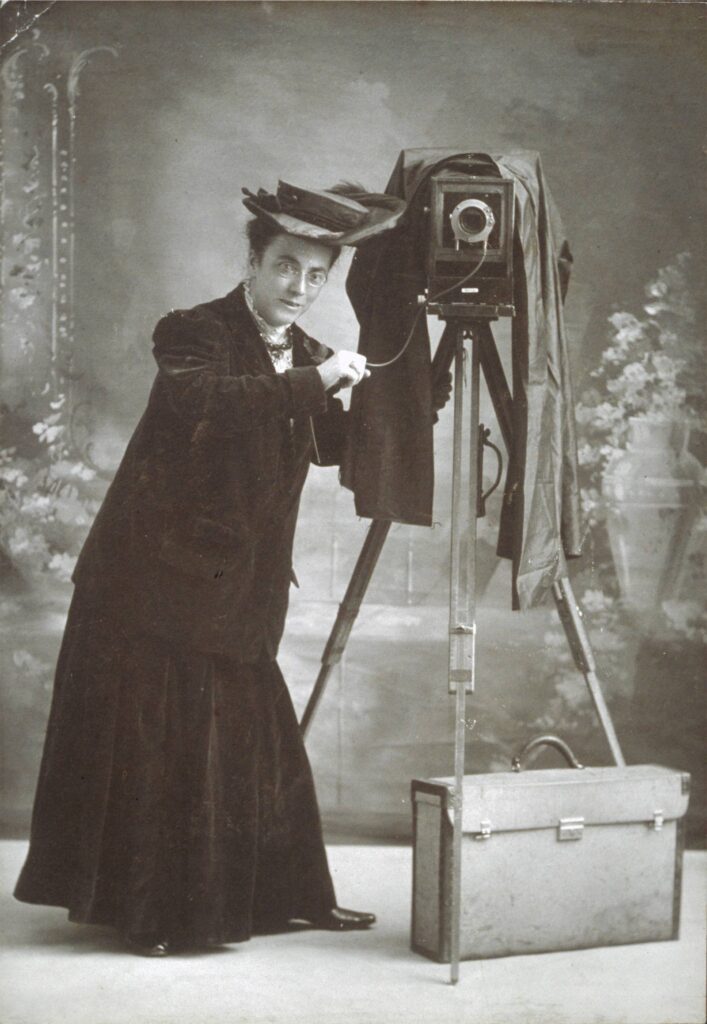
Day 22: Jessie Tarbox Beals (1870 - 1942)
Jessie Tarbox Beals (1870–1942) occupies pioneering perch in the history of photography. She was the first published woman photojournalist in the United States and the first woman known to specialise in night photography. Entirely self-taught, she began her working life as a schoolteacher before pivoting, decisively and daringly, toward the camera.
Her conversion moment came in 1893 after meeting the celebrated pictorialist Gertrude Käsebier, whose example convinced Jessie that photography could be both a profession and a form of independence. By 1899 she had secured her first commission from the Boston Globe, and in 1901 she joined the Buffalo Inquirer, entering the fast, rough world of newspaper photography at a time when women were rarely welcome and never expected to climb ladders with glass plates under their arms.
Find out More
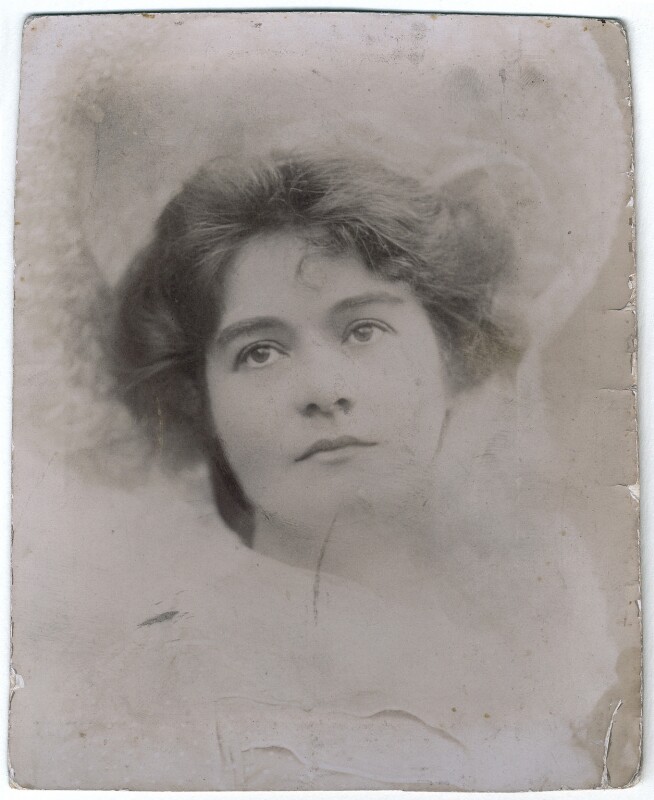
Day 21: Lallie Charles (1869 - 1919)
Lallie Charles (1869-1919) was a well-known society photographer based in Regent’s Park, London. Originally from Northern Ireland, Lallie moved to London with her sister, Rita Martin. Though her birth name was Charlotte, she adopted the name Lallie Charles and often went by the title of ‘Madame Charles’. In 1896, Lallie opened her first photographic studio in Regent’s Park.
Lallie produced some of the most commercially successful photographs during the early 20th century. She specialised in portraiture and took many photographs of London society figures. One of Lallie’s most notable clients was Queen Victoria, whom she photographed as a Princess in 1910. Gladys Cooper, a highly acclaimed actress, was also photographed by Lallie, demonstrating Lallie’s influence and prominence across London society.
Find out More
- Lallie Charles by volunteer Anya Chuykov
- In the Collection: A number of original prints
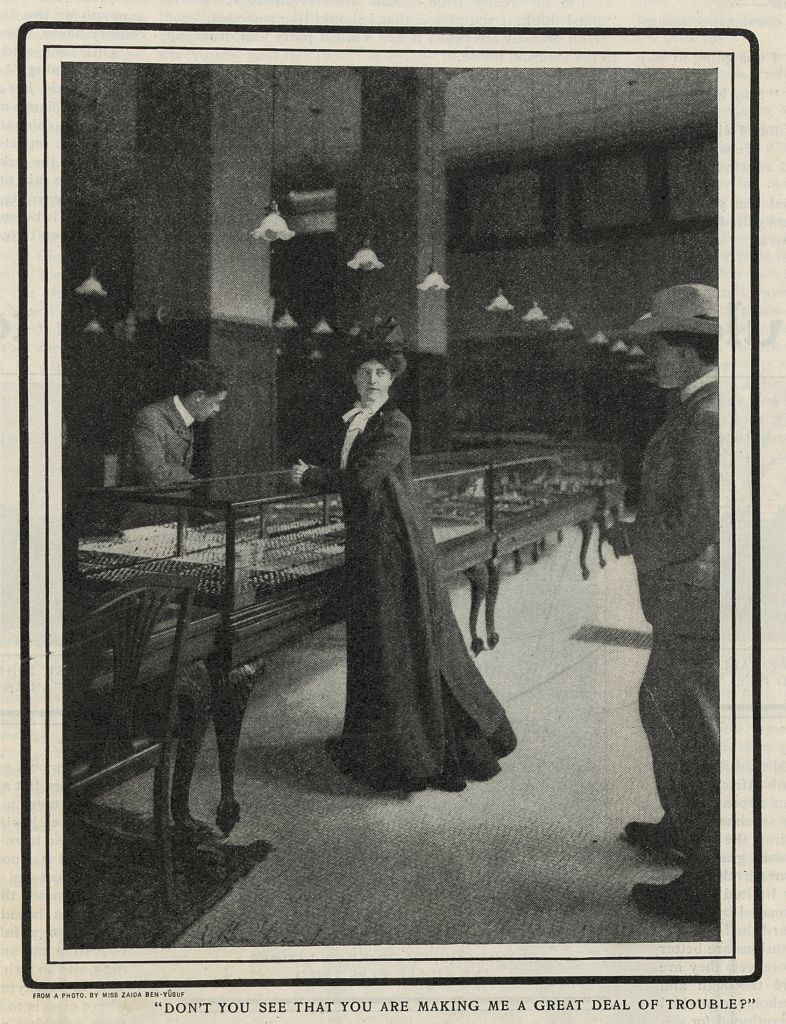
Day 20: Zaida Ben-Yúsuf (1869-1933)
Zaida Ben-Yúsuf, born in London, 1869, the first-born daughter to German and Algerian parents, was a New York based portrait photographer. Zaida’s mother would emigrate to the United States of America in 1891, with Zaida herself following in 1895, joining her mother as a milliner, but would soon begin to work in photography. As one of America’s foremost photographers, receiving acclaim early on in her career, Zaida’s work plays a central component of modernism in art and photography’s consideration as an art form unto itself. Her career in photography and fashion, show how both could be used as a way for women in the 19th and early 20th century to make an independent living, at a time when careers for women were limited.
Find out More
- Zaida Ben-Yúsuf by volunteer Emery
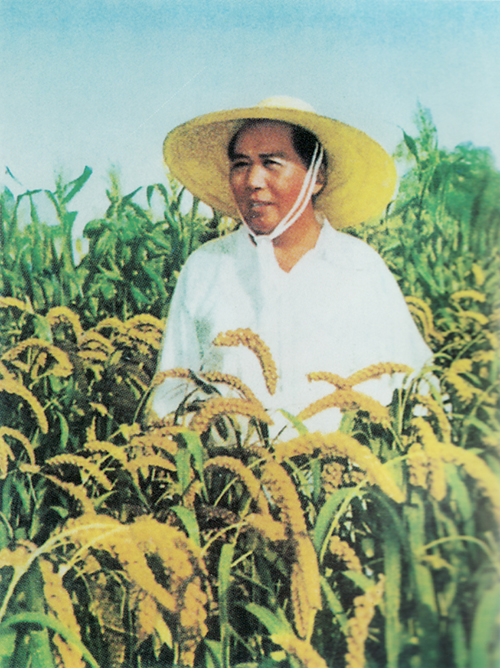
Day 19: Hou Bo (1924 - 2017)
Hou was a Chinese photographer who, with her husband Xu Xiaobing (1916-2009), documented the rise and reign of Chairman Mao Zedong (1893 – 1976), the founder of the People’s Republic of China, in over 400 official photographs. Hou Bo (1924-2017) was born in September 1924 into a peasant family in Shanxi province and was orphaned as a teenager. A committed member of the Communist Party from the age of 14, she learned photography as a propaganda tool from Japanese prisoners of war in WWII. After 1949, she was chosen by Mao as his official photographer for her skills and suitable peasant background, representative of the new China, and lived with her family in the top party official compound Zhongnanhai from 1950 to 1961, where she took both official propaganda photos and family snapshots.
Find out More
- Hou Bo by volunteer Paula Vellet
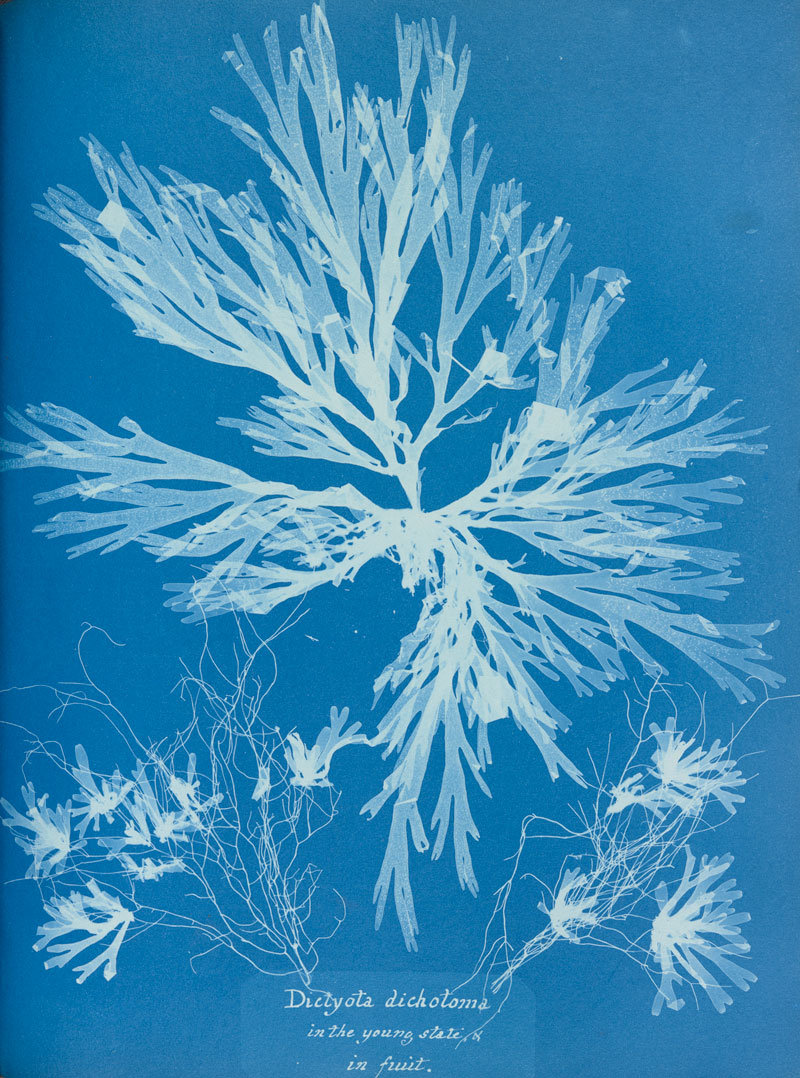
Day 18: Anna Atkins (1799-1871)
Anna Atkins was the first person to create a book made entirely from photographic images and is widely acclaimed for her use of cyanotypes in the study of British algae. Between 1843 and 1853, Anna produced three volumes of cyanotypes titled ‘Photographs of British Algae: Cyanotype Impressions’, which served as a scientific guide to British algae. Seventeen copies are thought to have been produced, however, as they were individually made, and bound by the recipient, many remaining volumes have omissions or duplicates. It is believed that these volumes originally heled 14 pages of text and 389 pages of algae.
Find out More
- Anna Atkins by Melissa Spreadborough
- Facsimiles of Anna’s work
- In the Library – Photographs of British Algae: Cyanotype Imperfections by Mandy Barker, book inspired by Anna Atkins
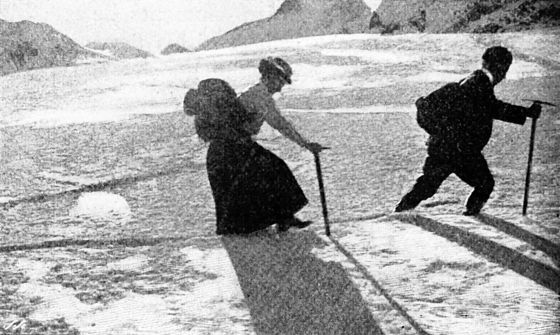
Day 17: Lizzie Le Blond (1860 - 1934)
Celebrating St Patrick’s Day remembering the Irish photographer and mountaineer, Lizzie Le Blond. Her main passion was mountain photography, capturing mountain scenery, which she combined with mountaineering. She was also an author and autobiographer; in 1883 she published The high Alps in winter, or mountaineering in search of health, describing her mountaineering experiences. Each climb from the valley began by wearing a skirt, but once out of public sight she would change into riding breaches to avoid causing offence to Victorian sensitivities.
Find out More
- Lizzie Le Blond by volunteer Hannah Ahmed
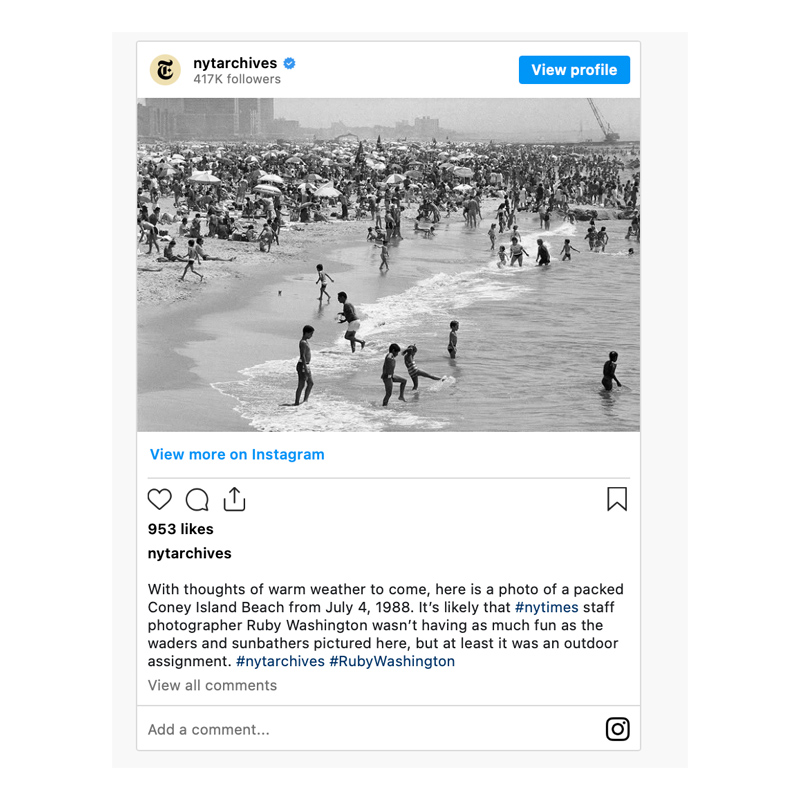
Day 16: Ruby Washington (1952 - 2018)
Described by the New York Times as a quiet trailblazer in photojournalism, Ruby Washington was the first African American woman to work as a staff photographer for the paper. One of twelve children, she grew up on a farm in rural Georgia. According to those who knew her best she was at once highly ambitious and humble.
She received multiple awards for her work and yet preferred to accept them in private instead of attending the galas where they were presented. She persisted in an industry marked by male chauvinism and despite consistent harassment from male colleagues in the beginning of her career she went on to be one of the paper’s most celebrated photographers.
Find out More
- Ruby Washington by volunteer Haley Drolet
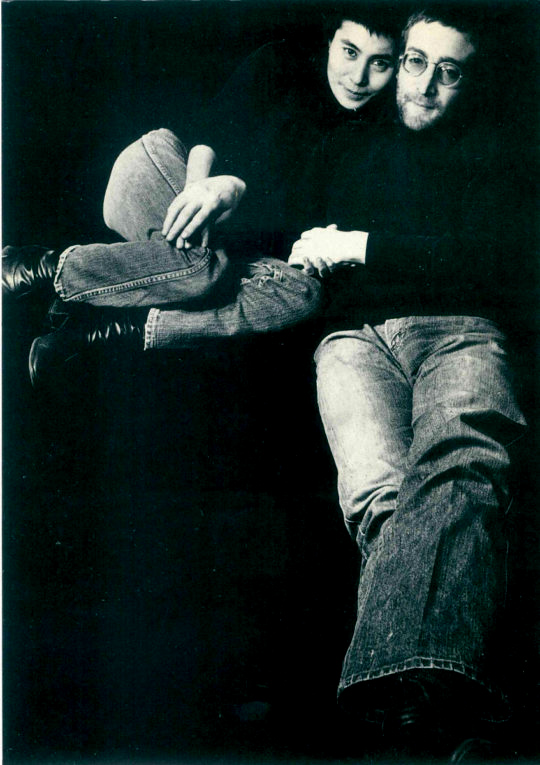
Penny Tweedie, John Lennon and Yoko Ono, 1970. Postcard from the Heroines Collection.
Day 15: Penny Tweedie (1940-2011)
Legendary photographer Penny Tweedie worked for the top publications of her era, from Queen Magazine, The Daily Telegraph, National Geographic Australia, and Newsweek to Paris Match magazine. She began her career in 1961, taking powerful black and white photographs of post-war housing conditions in Glasgow for the homeless organisation Shelter. She was famously fired in 1971 by The Sunday Times for refusing to photograph the execution of four prisoners during victory celebrations at the end of the Bangladesh War of Independence.
Find out More
- Penny Tweedie by volunteer Paula Vellet
- In the Collection: Some postcards of Penny’s images
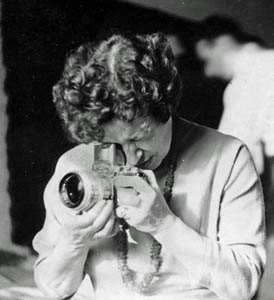
Day 14: Zofia Rydet (1911-1997)
Zofia Rydet was born in Stanislawow, Poland and died in Gliwice. In the interim years, her lifelong dedication to the craft led her to become one of the leading women in photography – a status by which she is recognised today.
It wasn’t until she was well over forty that she took up photography; a self-taught artist, she built on a hobby from earlier years, and joined the Gliwice Photographic Society in 1954, which helped her develop her skills.
In 1978, at the age of 67, Zofia’s final project was the Sociological Record – a mission to photograph every household in Poland. She took more than 30,000 black and white photos depicting people from all walks of life in their typical surroundings, capturing a spectrum of emotions from loneliness, fear, and loss, to happiness and hope.
Find out More
- Zofia Rydet by volunteer Hannah Ahmed
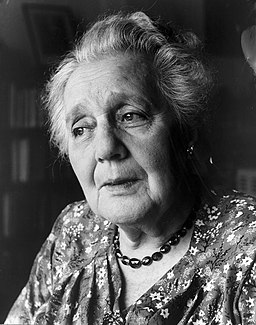
Day 13: Jane Bown (1925-2014)
Born #OTD 1925. After studying photography at the Guildford School of Art in 1946-1949, Jane Bown began working as a wedding photographer before being given an assignment with The Observer newspaper. It was a partnership that would last over 60 years and lead to her photographing the notable figures of British culture, politics and royalty. Her first assignment was the now famous portrait of Bertrand Russell in December 1949.
Find out More
- Jane Bown by volunteer Paula Vellett
- In the library: Cats and A Singular Cat by Jane Bown
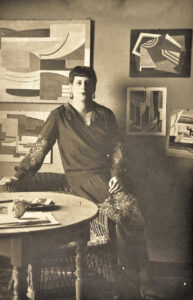
Day 12: Florence Henri (1893 - 1982)
Florence Henri did not just live through arguably the most exciting period in the history of art – she was at its very frontier. Her extraordinary life led to extraordinary innovations in the field of photography. Born in 1893 in New York, Florence moved around Europe in her childhood. After both of her parents died, she settled in Italy with her aunt. It was in Italy that she was introduced to Futurism, one of the first major movements of modern art.
Photography entered her life when she came to Dessau, Germany. The era of Bauhaus had begun, and Florence was there to learn about and develop this iconic movement. She saw the power that photography had as a new medium and used it to manipulate perception, pioneering Surrealist photography.
Find out More
- Florence Henri by volunteer Olga Trunova
- In the library: A copy of Florence Henri: A Reflection on Photography, Fagiolo 1975, Catalogue
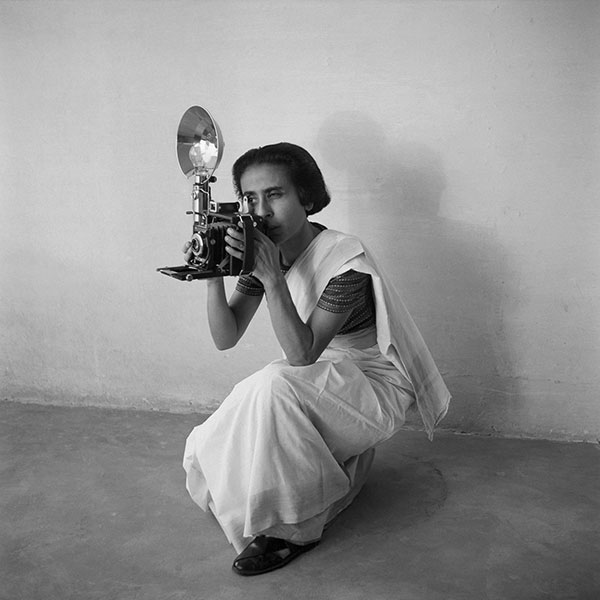
Homai Vyarawalla, courtesy Alkazi Collection of Photography
Day 11: Homai Vyarawalla (1913-2012)
Homai Vyarawalla (1913-2012) was a pioneer in more than one sense of the word. Not only was she India’s first female photojournalist but her career documented the overthrow of British colonial rule.
Born in 1913 in Navsari, Gujarat, to a Parsi family, Homai spent her earliest years in and around Bombay. She studied photography at the Sir Jamsetjee Jeejebhoy School of Art, where she took striking images of her classmates. Homai recalled, “As a child I once saw a photograph of another child lying on its stomach. I was told that it was taken by a woman and wondered if I would ever get a chance like that.” She certainly did for by the late 1930s she had moved to Delhi and embarked upon what would be a thirty year career in photojournalism.
Find out More
- Homai Vyarawalla by volunteer Haley Drolet
- Monika Baker talks about the documentary film she made of Homai – Dalda 13
- Film Dalda 13 – A Portrait of Homai Vyarawalla by Monika Baker
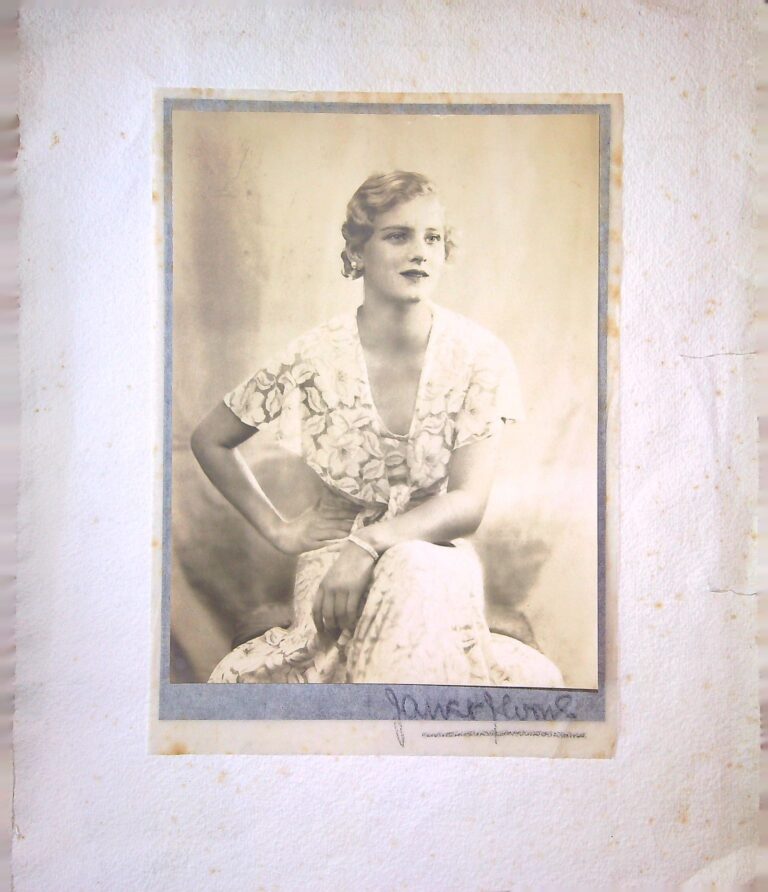
Day 10: Janet Jevons
Janet Jevons’ was a photographic partnership between Ruby Caroline Jevons (1894-1974) and Emilie Janet Tyrell (1887-1972) who worked together from 1921-1949. Their first published and credited photograph appeared on 6th December 1921 in the Illustrated Sporting and Dramatic News. They operated their first studio at 66 Piccadilly from 1921-1925 before moving to 19/20 New Bond Street, London.
Ruby had begun her career in photography working as a secretary in the studio of Dorothy Wilding, the leading woman-run studio in London in the 1920s and 1930s. She then set up the joint studio with Janet in 1921. Their work appeared in publications such as The Tatler, Country Life, Theatre World, The Sphere, Bioscope, and The Bystander, for which they photographed the celebrities of the day, from actresses and dancers to socialites and royals.
Find out More
- Janet Jevons by volunteer Paula Vellet
- In the Collection: 3 original portraits
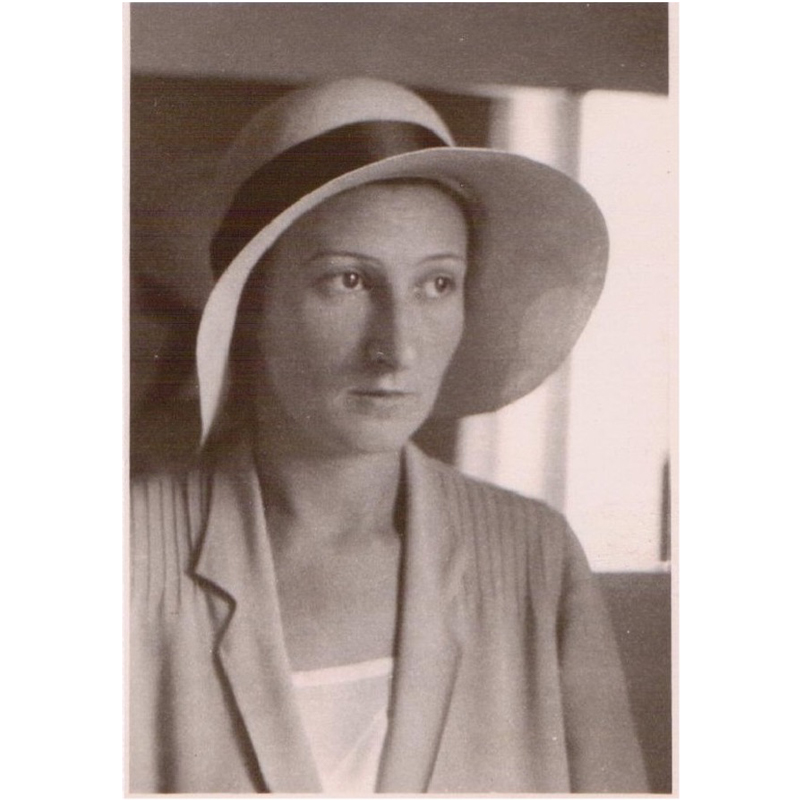
Day 9: Anny Wottitz (1900-1945)
Anny Wottitz was born in Budapest, Hungary, 19th May 1900, though her nationality is recorded as Austrian. One of four daughters, her mother moved the family to Vienna around 1914, after the early death of her husband. According to Anny’s granddaughter, the family faced severe food shortages and struggled throughout the war years. After secondary school, Anny attended the Kunstgewerbeschule (School of Arts and Crafts) in Vienna, where she first met Friedl Dicker, a budding artist who would eventually become a renowned industrial and graphic designer. In 1917, Anny left her apprenticeship at a cousin’s bookshop to join Friedl and another soon-to-be Bauhaus artist, Margit Téry, to follow renowned artist Johannes Itten to Weimar, Germany, when he was appointed to the Weimar Bauhaus in 1919. There Anny specialised in bookbinding, experimenting freely with forms and materials, and remained until 1923.
Find out More
- Anny Wottitz
- In the Collection: Glass negatives, landscape photographs, photographs from London and Palestine, kindly donated by Ann and Oliver Adler
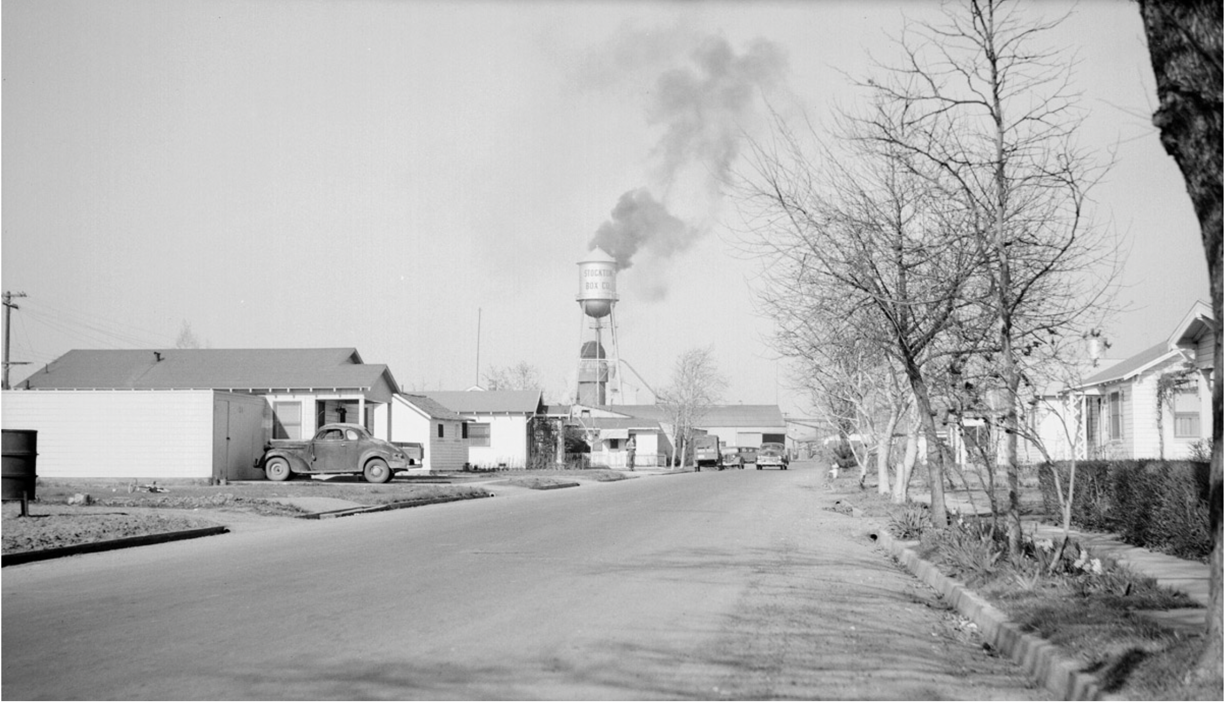
Day 8: Lora Webb Nichols (1883-1962)
Lora Webb Nichols (1883-1962) was an American photographer, best known for amassing a collection of 24,000 negatives of the town Encampment, Wyoming. These negatives are widely acclaimed for providing a unique and intimate insight into the daily life and activities of residents in the small Wyoming mining town.
Some of Lora’s most notable work highlights her ability to portray unique moments of women’s lives and friendships. She documented images of young girls playing outside, or intimate portraits of her friends, such as the image of Nora Fleming breastfeeding her new-born. Other photos also feature close familial bonds, such as a mother tending to her daughter’s hair.
Image courtesy of the American Heritage Center.
Find out More
- Lora Webb Nichols by volunteer Anya Chuykov
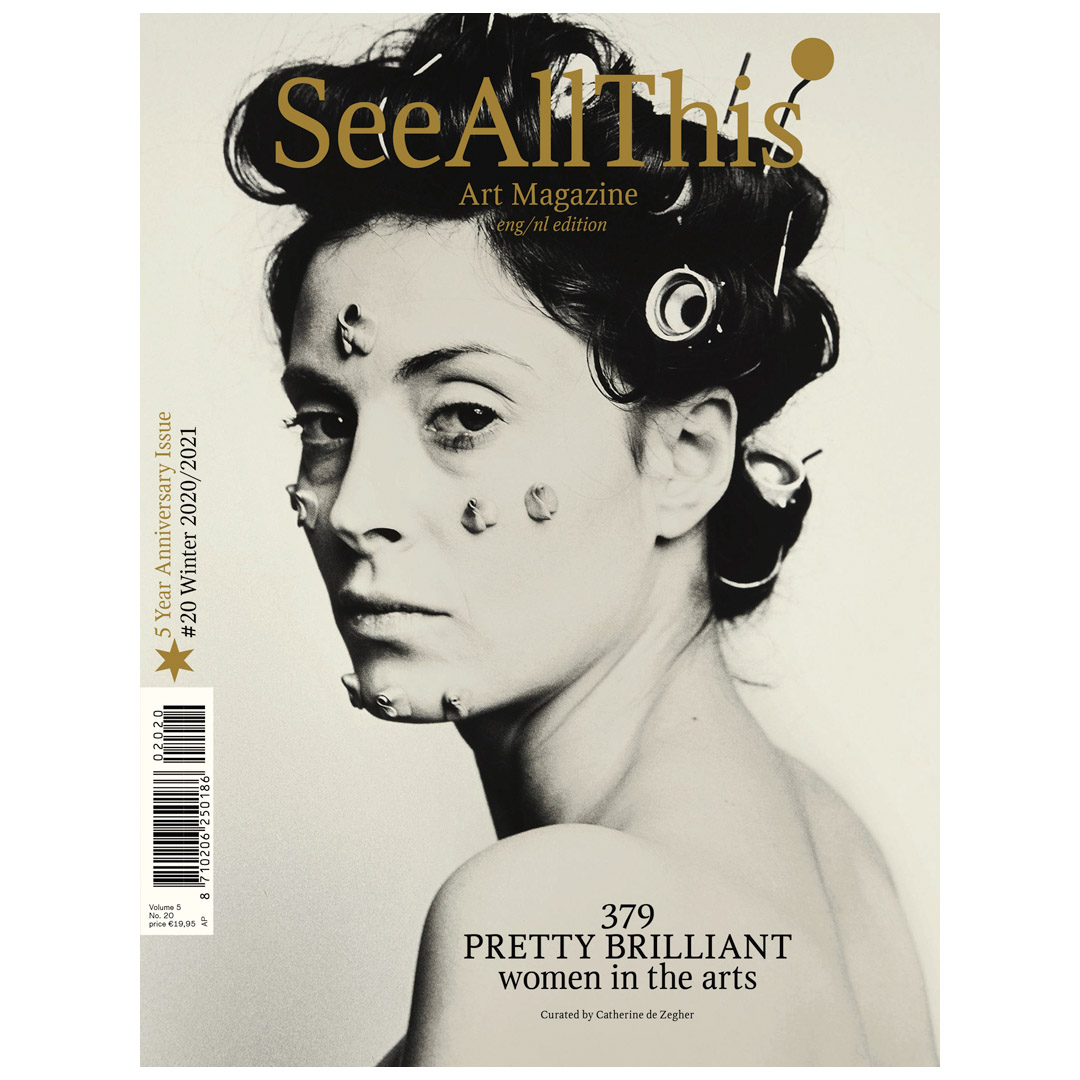
Day 7: Hannah Wilke (1940-1993)
Hannah Wilke was a multidisciplinary artist, born to Hungarian Jewish parents in New York City on March 7th, 1940, growing up in the shadow of the holocaust. Through drawing, sculpture, performance, photography and video, Wilke explored themes of femininity and gender. She used her body as a medium to drive conversation on female agency, describing this dialogue between her body and process saying “I become my art, my art becomes me. My heart is hard to handle, my art is too”. Her practice emerged in the period of second wave feminism, a time in which the slogan ‘the personal is political’ was popularized. A fundamental theme that runs throughout her own work.
Find out More
- Hannah Wilke by volunteer Hattie Alwen
- In the library: Features in some compendium volumes
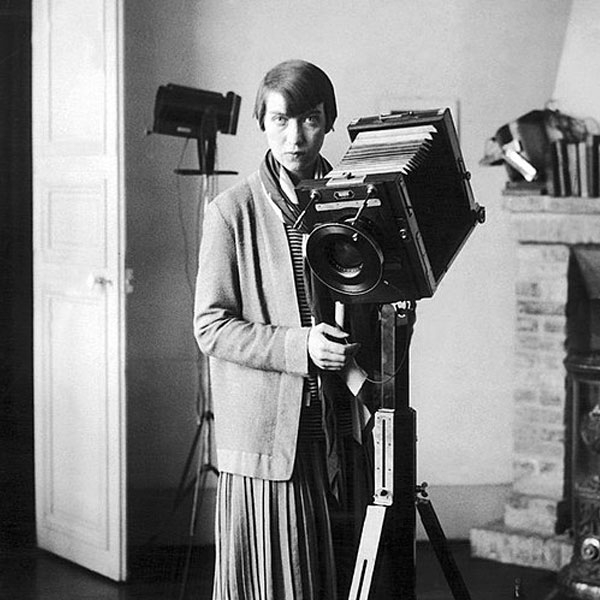
Berenice Abbott. Creative Commons. Photographer unknown
Day 6: Berenice Abbott (1898-19910
Berenice Abbott undertook her best-known work in New York, documenting the city’s changing face during the New Deal. Shot independently using a large format camera from 1929 – 35, and later funded by the Works Progress Administration (WPA), she captured dizzying bird’s-eye and worm’s eye views of the city. Thrusting skyscrapers, soaring stations and bridges, sharp angles and modernist composition contrast the old and new to document this dynamic period.
Find out More
- Berenice Abbott by volunteer Paula Vellet
- Virtual Gallery
- Ralph Harrington at the Anemoia Symposium
- In the collection: Books and postcards
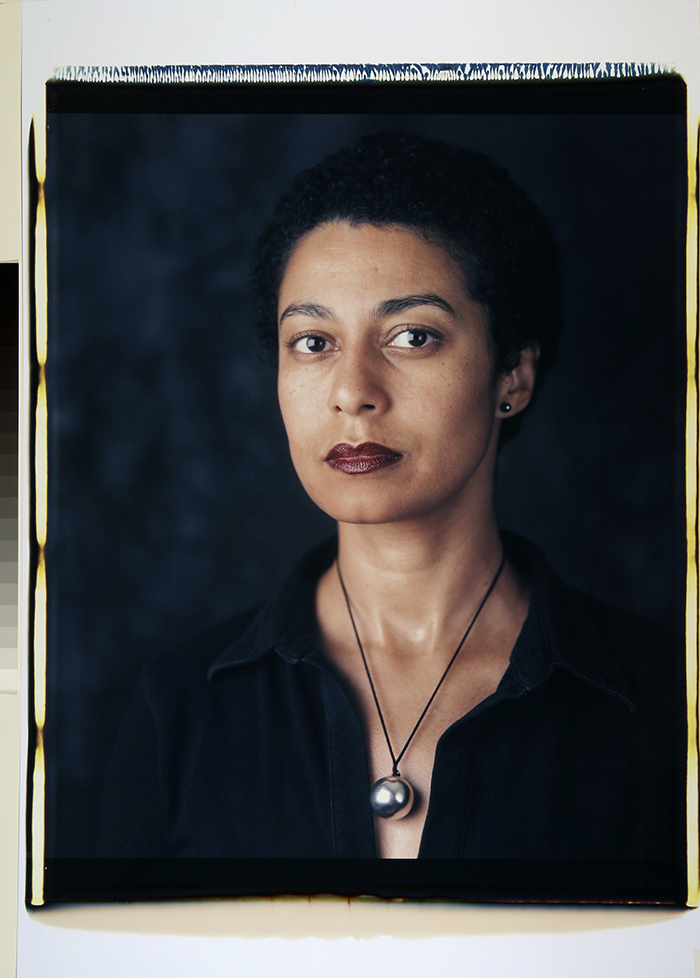
Maud Sulter, Self Portrait, 2002, 828 x 560 mm, large format Polaroid photograph. The Estate of Maud Sulter ©The Estate of Maud Sulter
Day 5: Maud Sulter (1960-2008)
Maud Sulter was a contemporary photographer and writer whose works primarily focused on the representation and histories of Black women. Working in many mediums including photography, collage, video and poetry, Maud used her art as a way of depicting the history and reality of the Black Diaspora in Europe.
Born on the 19th of September 1960 to a Ghanaian father and Scottish mother, Maud Sulter received her Master’s degree from the University of Derby. She began to work as a writer, publishing numerous poems and plays in which she continuously explored her Scots and Ghanaian heritage, including the poem titled As a Black Woman (1985), for which she won the Vera Bell Prize for poetry. Some of her poems are in Scots/Glaswegian dialect, as she was very interested in the overlaps between the two cultures.
Find out More
- Maud Sulter, by volunteer Verena Thomson
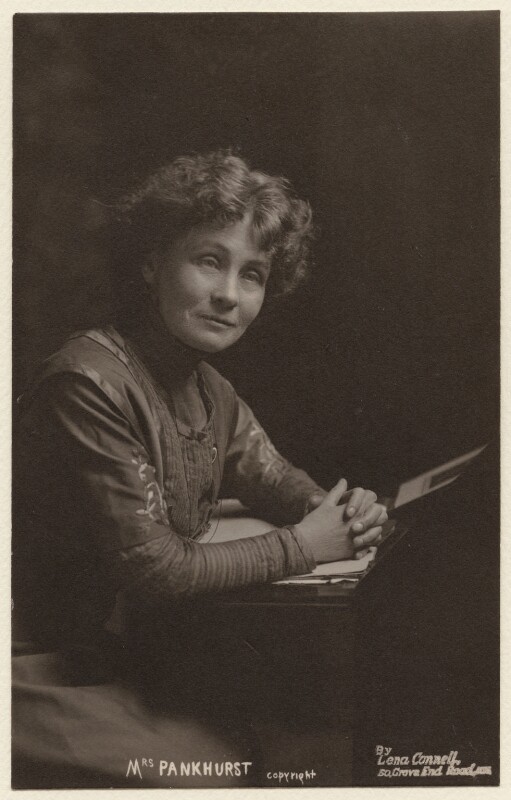
Emmeline Pankhurst by Lena Connell
Day 4: Lena Connell (1874 - 1949)
Died on this day 1949.
Lena Connell, also known professionally as Beatrice Cundy, was a British photographer who left her mark on both the fight for women’s suffrage and the art of portraiture. Born Adelin Beatrice Connell in 1875, her life and career intertwined with the feminist movement of the early 20th century.
Lena’s life and work offer a fascinating glimpse into the early 20th century. She was a woman who defied convention, using her camera to advocate for change while establishing herself as a successful photographer.
Find out More
- Lena Connell – An Introduction, by volunteer Harper Black
In the Collection: A number of Lena’s images
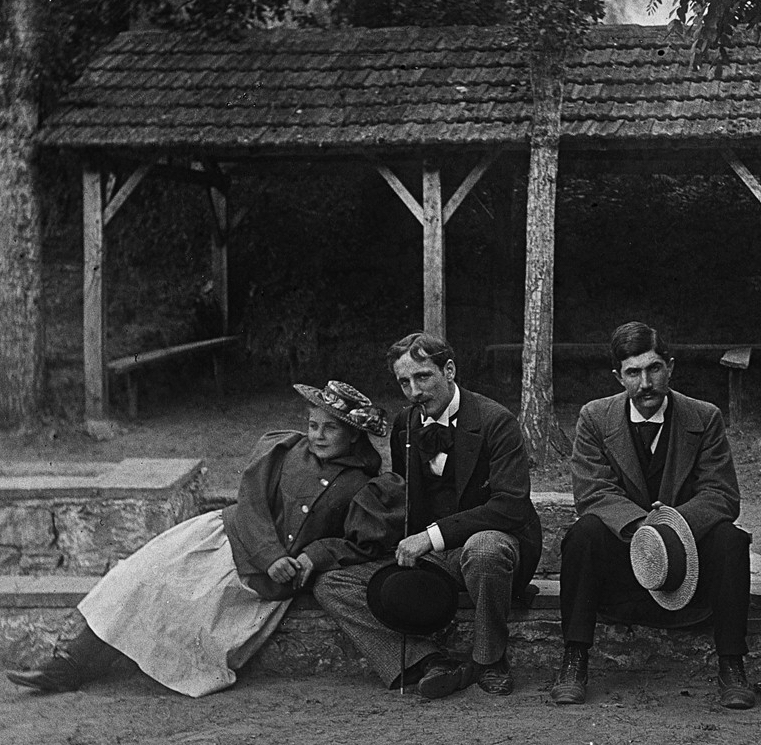
By Amélie Galup-Faure – Bibliothèque nationale de France, Public Domain
Day 3: Amélie Galup (1856-1943)
Born on this day in 1856.
The work of Amélie Galup is a significant example of the rise in popularity of amateur photography during the late 19th century. She documented life in a small rural community in South West France photographing rural life, fairs, markets and landscapes. This was a rapidly vanishing way of life and thanks to her work a valuable, comprehensive record of that era remains.
We have a series of her postcards in the Collection.
Find out More
- Amélie Galup – An Introduction, by volunteer Sarah Grant
- Amélie’s archive is held by Médiathèque du patrimoine et de la photographie
In the Collection: A series of Amélie’s postcards
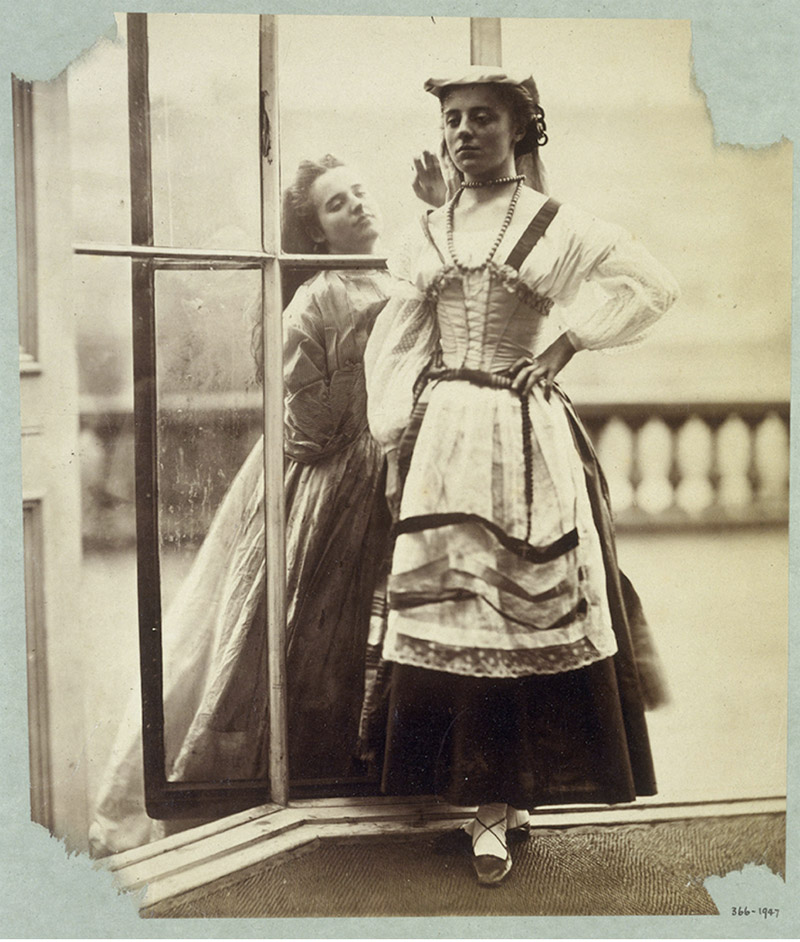
Clementina Maude and Isabella Grace, c. 1864
Day 2: Lady Clementina Hawarden
Lady Clementina Hawarden was a pioneer because of her photography of her daughters. As an aristocrat, she wasn’t allowed to go out wandering with her camera, so instead, she encourage her daughters to stage scenes wearing theatrical costumes. Although the images look quite tame today, in Victorian times, they were considered provocative and risqué. Clementina shattered the stereotype of how women should be portrayed.
Find out More
Lady Clementina – overview by volunteer Shyama Laxman
In the library: Lady Hawarden: Studies from Life, 1857-64, by Virginia Dodier
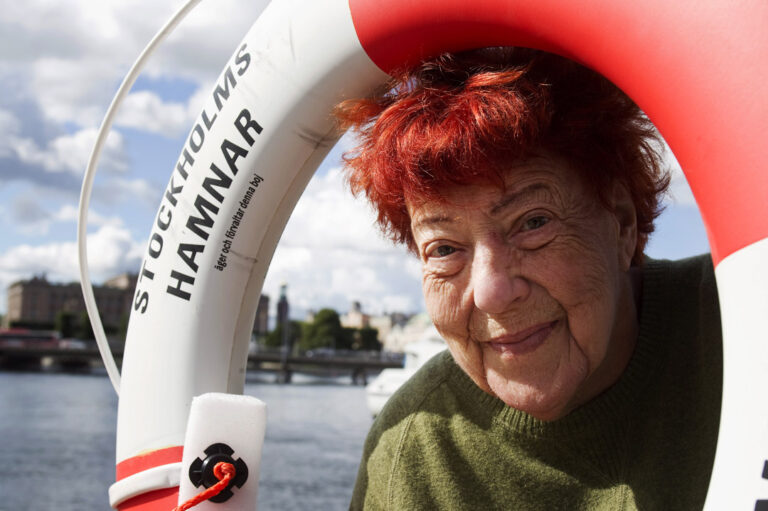
Claire Aho, 2010. Image credit Jonatan Rieder Lundkvist
Day 1: Claire Aho (1925 - 2015)
Our first pioneer is Claire Aho, whose work we’re showing in our next exhibition Colour Me Modern: Claire Aho and the New Woman. Known as ‘the Grand Old Lady of Finnish Photography’, Claire was a pioneer of editorial photography recognised for her innovative use of colour techniques. Her vibrant images showcase her keen eye for composition and surprisingly modern aesthetic.
Find out More
- Claire Aho – overview, by volunteer Satu Lehtinen
- Capturing the Zeitgeist, by volunteer Katie Walters
- Claire’s archive is held by the Aho & Soldan Foundation
In the library: Aho & Soldan, Suomi: Finland in 1950’s Colour, featuring Claire’s work