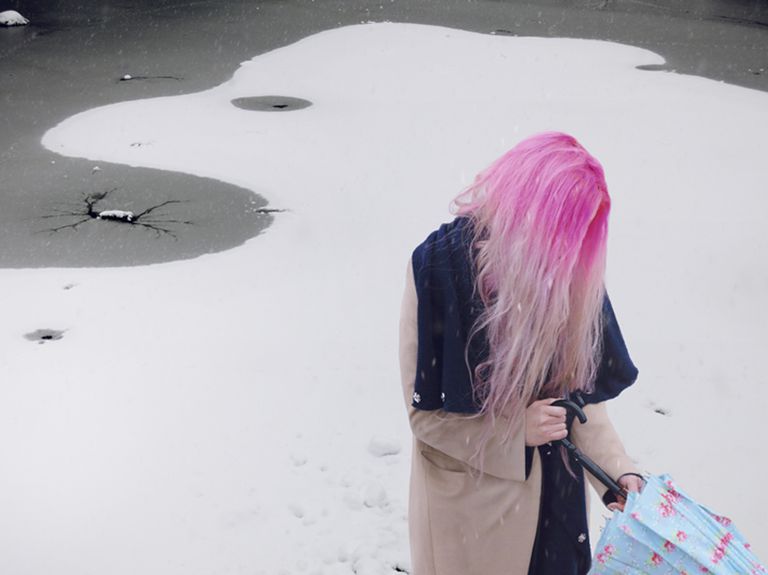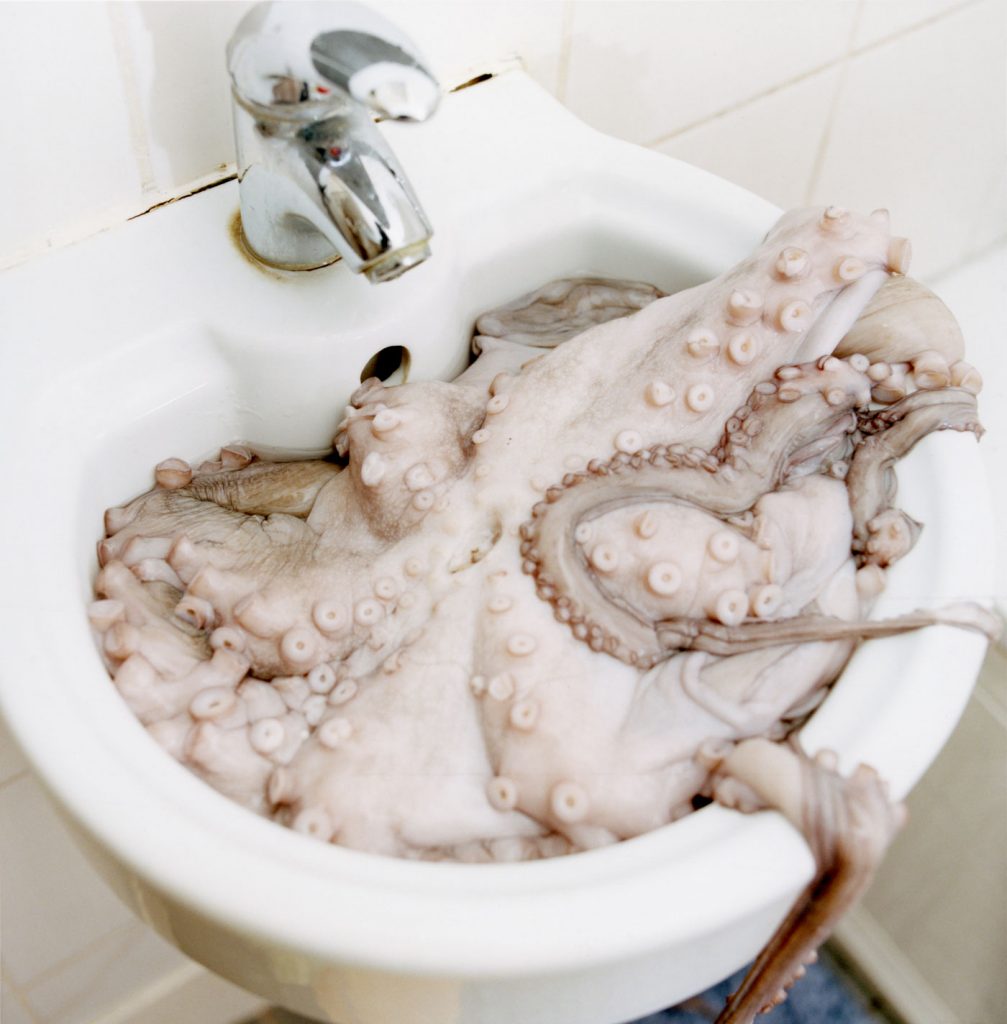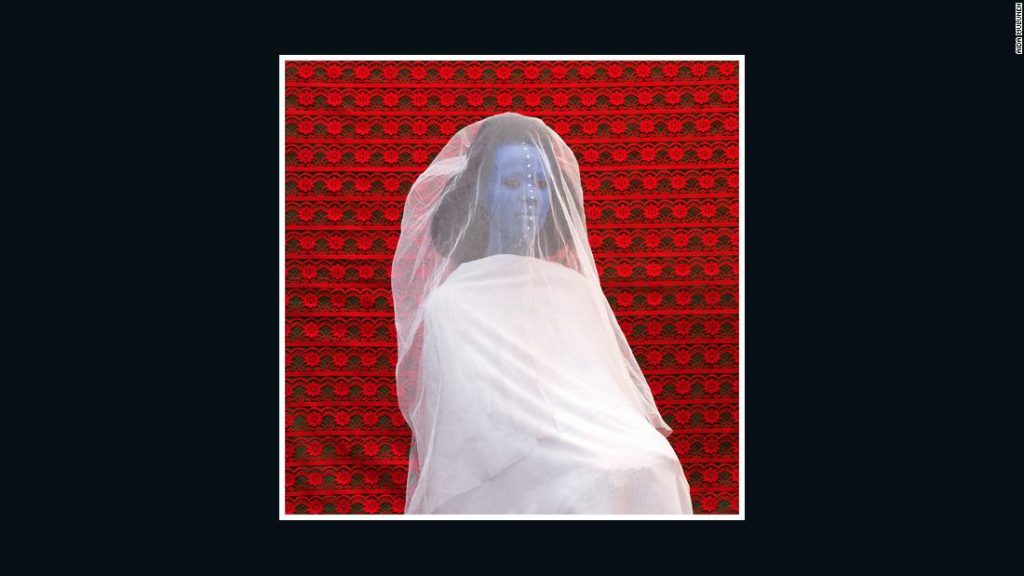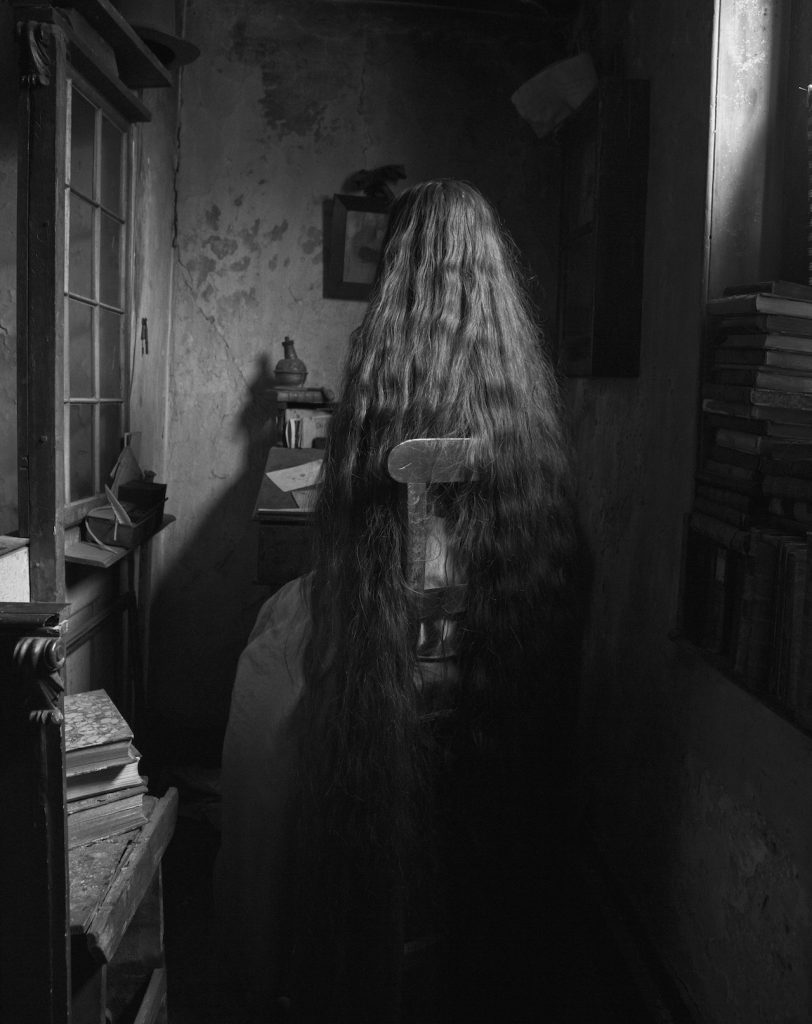

Photography is still male dominated - but, 100 years after British women first voted in a general election, the UK's Royal Photographic Society has compiled a list of 100 inspirational female image-makers
Pictures of smuggled elephants’ feet and a gay “cure” clinic are among the works by photographers on the Royal Photographic Society’s A Hundred Heroines list. The RPS today announced the 100 women chosen in a campaign honouring contemporary female photographers around the world.
Following a campaign by the Royal Photographic Society to highlight modern female photographers in a male-dominated profession, a list of a Hundred Heroines was announced on 14 December, 100 years since British women first voted in a general election.
The Royal Photographic Society has just announced their list of Hundred Heroines, women from across the world whose work is transforming photography today. These female photographers, who were nominated online (anyone was allowed to make a nomination), have inspired and challenged others, highlighted particular issues or shown bravery or courage through their…
Silver Linings is an ongoing long term project that follows a group of homeless people, inhabiting underground central heating systems in the centre of Romania's capital, Bucharest. Life on the streets can be a very traumatising and an isolating experience, where forced prostitution, drug or sexual abuse and other forms of violence…
“I guess that photographing my own country’s decay put me in a position where I wasn’t able to take too much distance from the things and people I photographed. I often feel like by photographing them, their pain and struggle, I’m photographing a part of myself.”
The Iran-Iraq War (1980-88) was one of the bloodiest conflicts of the 20th century. This series recounts the grief of the mothers of missing soldiers who live in hope of finally seeing their sons again—or at least holding a body to bury.
“For the first time in modern history, survivors are being given space to come forward publicly with their stories and foster discussion on how to end rape culture. In the absence of this space, people often have had to heal in silence, privately processing the trauma they’ve endured.”