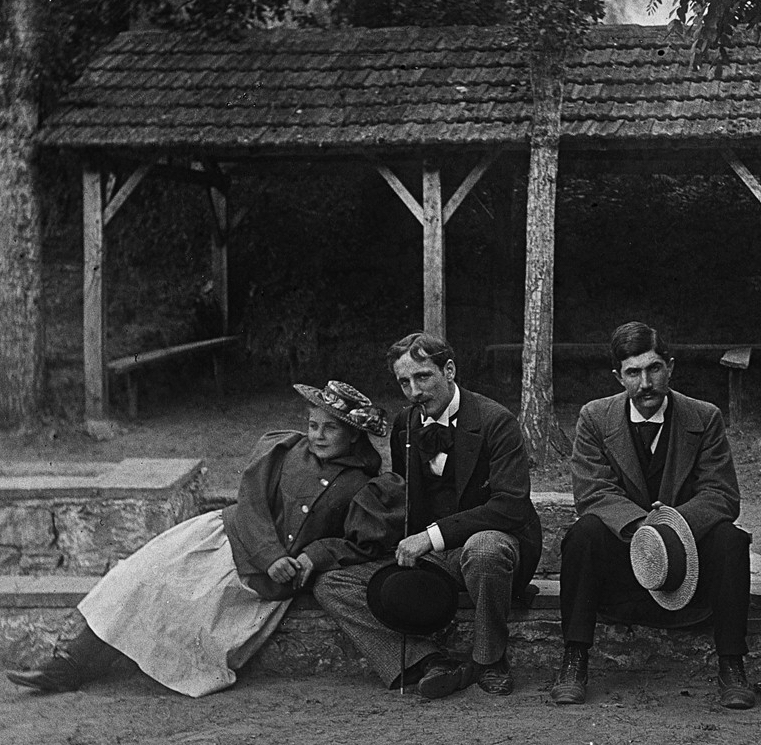
By Amélie Galup-Faure - Bibliothèque nationale de France, Public Domain
Amélie Galup (1856-1943)
French photographer who documented rural life
Amateur photography saw a tremendous rise in popularity during the last third of the 19th century thanks to technical advancements. The work of Amélie Galup is a significant example.
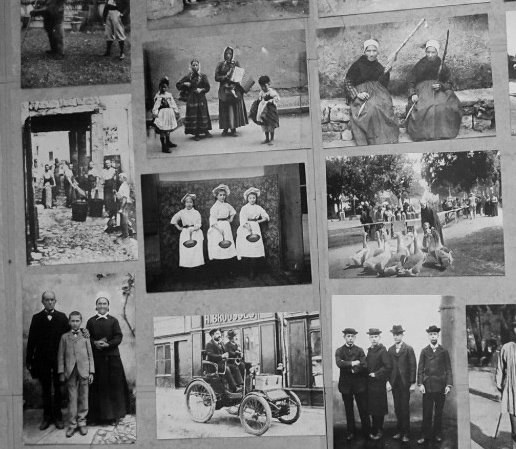
She documented life in a small rural community in South West France photographing people engaged in their lives, work and leisure activities. She documented rural life, fairs, markets and landscapes. This was a rapidly vanishing way of life and thanks to Amélie Galup work a valuable record of this era remains.
Born Susanne Albertine Amélie Faure on March 3rd 1856 in Bordeaux, Amélie was the youngest of nine, in a Protestant family of wine merchants and shipowners. Her father died when she was eight years old and her mother four years later. She spent her youth living with her siblings.
Amélie showed her determined character when in 1874 her older brother tried to marry her off as he had done with her four older sisters. However, Amélie was not having any of it. In order to ruin her brother’s attempts she turned up at her engagement dinner with her hair cut short stopping any attempts to marry her off. In 1879, with the help of her sister in Nantes, she found a man more to her liking and married Albert Galup, a magistrate, The couple had two children Jean and Marie.
Amélie taught herself photography around 1895 whilst staying at the family home in Saint-Antoin-Nobeleval near Albi. She transformed the basement of the family home into a darkroom where she developed and printed her own photographs. She also created a small studio space within the house using sheets and carpets as backdrops, allowing her to stage portraits of her family, friends and notable locals. She produced over 2,500 images on glass plate negatives reflecting both the aesthetic and social aspects of her era.
In 1901, following the death of her husband Amélie moved to Paris and her focus on photographs was primarily family which she continued until the early 1910s. Amelie passed away on 12th January 1943 in Paris.
In the early 1980s, her work was rediscovered by the sociologist Claude Harmelle, while he was interviewing families who had been established for a long time in Saint-Antonin-Noble-Val as part of a study. One of Amélie’s grandsons showed him the negatives and albums composed by his grandmother. Claude Harmelle organized two exhibitions, in 1984 in Saint-Antonin-Noble-Val, then in 1986 at the Thiers Foundation in Paris. Amelie Galup’s family donated 2,500 glass plate negatives to the State, kept at the Mediatheque du patrimoine et de la photographie.
By Sarah Grant
In the Collection
A series of postcards